What Is Vitamin C Deficiency?
Vitamin C (ascorbic acid) is a powerful antioxidant essential for immune function, collagen production, wound healing, and iron absorption. Since the human body cannot produce it, it must be obtained through diet.
Long-term deficiency may lead to scurvy, a rare but serious condition.
Causes of Vitamin C Deficiency
1️⃣ Poor and Unbalanced Nutrition
-
Low intake of fresh fruits and vegetables
-
Highly restrictive diets
-
Anorexia
-
Alcohol dependence
2️⃣ Smoking
Smoking increases oxidative stress and raises the body’s need for vitamin C. Smokers require higher daily intake.
3️⃣ Malabsorption and Chronic Diseases
Certain medical conditions may reduce vitamin C absorption, including:
-
Crohn’s disease
-
Ulcerative colitis
-
Diabetes (insulin resistance may reduce cellular uptake)
-
Liver failure
-
Dialysis treatment
Excessive antibiotic use and severe infections may also lower vitamin C levels.
Symptoms of Vitamin C Deficiency
Common symptoms include:
-
Dry skin
-
Brittle hair
-
Bleeding gums
-
Nosebleeds
-
Slow wound healing
-
Easy bruising
-
Muscle and joint pain
-
Fatigue and weakness
-
Weakened immune system
-
Unexplained weight loss
Daily Recommended Intake
-
Adult men: At least 90 mg/day
-
Adult women: At least 75 mg/day
-
Higher requirements for smokers, pregnant, and breastfeeding women
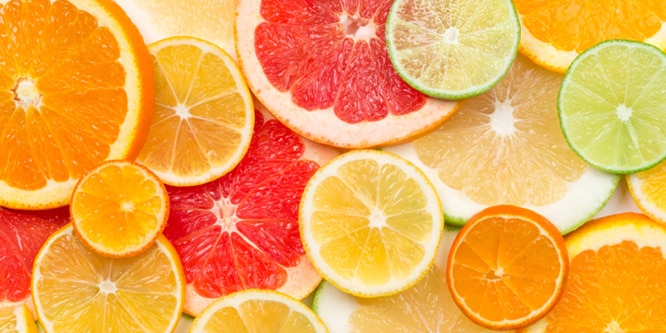
Vitamin C–Rich Foods
-
Red and green peppers
-
Kiwi
-
Oranges
-
Tangerines
-
Grapefruit
-
Lemon
-
Strawberries
-
Papaya
-
Broccoli
-
Cauliflower
-
Kale
A few daily servings of fresh fruits and vegetables are usually sufficient.
Treatment
Treatment focuses on improving diet. In some cases, physician-supervised supplementation may be recommended. Self-medicating with high doses is not advised, especially for patients with chronic conditions.
If you experience persistent symptoms, consult a qualified healthcare professional for evaluation.