INTERMITTENT FASTING: What Is It and What Are Its Benefits?
What Is Intermittent Fasting?
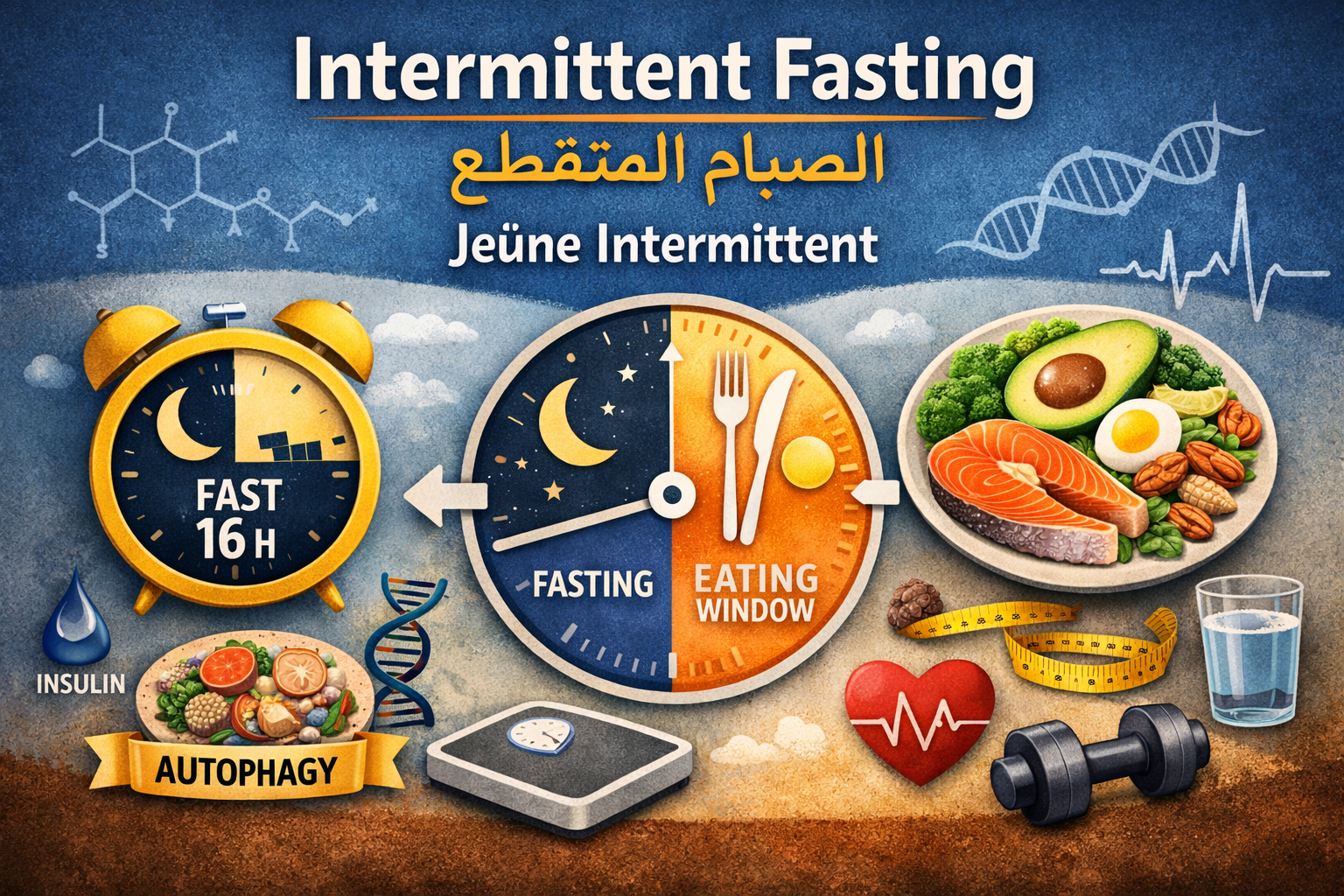
Intermittent fasting is a structured nutritional approach that focuses not on what you eat, but when you eat. It divides the day or week into eating periods and fasting periods.
The primary objective is to allow insulin levels to decrease for extended periods, thereby promoting metabolic adaptations. Intermittent fasting is not a diet plan; it is a meal timing strategy.
Types of Intermittent Fasting
1. 16:8 Method (Most Popular Model)
-
16 hours fasting
-
8-hour eating window
Example: Eating between 12:00 PM – 8:00 PM
2. 14:10 Method
-
More suitable for beginners
-
Lower hormonal stress response
3. 5:2 Method
-
Normal eating 5 days per week
-
500–600 kcal intake on 2 non-consecutive days
4. 24-Hour Fasting (Eat-Stop-Eat)
-
Applied once or twice weekly
-
Not recommended without professional supervision
Scientifically Observed Benefits
1. May Improve Insulin Sensitivity
Prolonged fasting reduces insulin levels, which may:
-
Lower the risk of insulin resistance
-
Facilitate fat oxidation
2. May Support Weight Management
Intermittent fasting:
-
Enhances calorie awareness
-
Reduces late-night snacking
However, weight loss only occurs with an overall calorie deficit.
3. May Enhance Metabolic Flexibility
Supports the body’s ability to switch efficiently between:
-
Glucose
-
Fatty acids
4. May Activate Cellular Repair (Autophagy)
Fasting may stimulate autophagy, a cellular renewal mechanism studied in aging and cellular stress research.
5. May Support Digestive Rest
Continuous food intake can burden:
-
Gastric acid production
-
Bile secretion
-
Digestive enzymes
Structured fasting periods may reduce this load.
Who Should Avoid Intermittent Fasting?
Intermittent fasting is not suitable for:
-
Pregnant or breastfeeding women
-
Individuals with a history of eating disorders
-
Type 1 diabetes patients
-
Individuals sensitive to cortisol fluctuations
-
High-performance athletes
Common Mistakes
-
Overeating during the eating window
-
Inadequate protein intake
-
Ignoring electrolyte balance
-
Forcing prolonged fasting
-
Neglecting sleep and stress management
What to Eat During the Eating Window
-
Adequate protein (1–1.2 g/kg body weight)
-
High-fiber vegetables
-
Healthy fats
-
Complex carbohydrates
During fasting:
-
Water
-
Unsweetened herbal tea
-
Black coffee
Conclusion
Intermittent fasting can be an effective nutritional strategy when personalized and applied correctly. It is not a universal solution but a metabolic tool that should be tailored to individual health status and lifestyle.
Intermittent fasting is an eating pattern that cycles between periods of eating and fasting. Instead of focusing on what foods to eat, it focuses on when to eat. Common methods include the 16:8 method, where you fast for 16 hours and eat within an 8-hour window, and the 5:2 method, where calorie intake is reduced on two non-consecutive days per week. Intermittent fasting works by allowing the body to switch from using glucose as its primary energy source to burning stored fat. During fasting periods, insulin levels drop, which helps the body access fat stores more easily. This process can support weight loss and metabolic health. Yes, intermittent fasting can be effective for weight loss. By limiting eating windows, many people naturally reduce their calorie intake. Additionally, hormonal changes during fasting may enhance fat burning and improve metabolism. The most popular methods include the 16:8 method, 5:2 diet, Eat-Stop-Eat (24-hour fasting once or twice a week), and alternate-day fasting. Each method varies in intensity and can be adapted based on individual preferences. During eating periods, it is recommended to consume balanced meals including proteins, healthy fats, whole grains, fruits, and vegetables. During fasting periods, only non-caloric beverages such as water, black coffee, or tea are typically allowed. Intermittent fasting is generally safe for healthy adults. However, it may not be suitable for pregnant women, individuals with certain medical conditions, or those with a history of eating disorders. It is always best to consult a healthcare professional before starting. Results can vary, but many people start to notice changes in weight and energy levels within a few weeks. Long-term benefits depend on consistency and overall lifestyle, including diet quality and physical activity. Yes, intermittent fasting may improve various aspects of health, including blood sugar control, heart health, and inflammation. Some studies also suggest potential benefits for brain health and longevity. No, short-term fasting does not significantly slow metabolism. In fact, it may slightly boost metabolic rate due to increased levels of certain hormones like norepinephrine. Yes, beginners can start with a simple approach like the 12:12 or 14:10 method and gradually extend fasting periods. It is important to listen to your body and adjust accordingly. Common side effects may include hunger, fatigue, headaches, and irritability, especially during the initial adaptation period. These symptoms often improve as the body adjusts. People who are pregnant, breastfeeding, underweight, or have certain medical conditions such as diabetes or eating disorders should avoid intermittent fasting unless advised by a healthcare professional.What Is Intermittent Fasting? – Detailed FAQ
What is intermittent fasting?
How does intermittent fasting work?
Is intermittent fasting effective for weight loss?
What are the most popular intermittent fasting methods?
What can you eat during intermittent fasting?
Is intermittent fasting safe?
How long does it take to see results from intermittent fasting?
Can intermittent fasting improve overall health?
Does intermittent fasting slow down metabolism?
Can beginners start intermittent fasting easily?
What are the common side effects of intermittent fasting?
Who should avoid intermittent fasting?