Safe, Natural-Looking Breast Enhancement
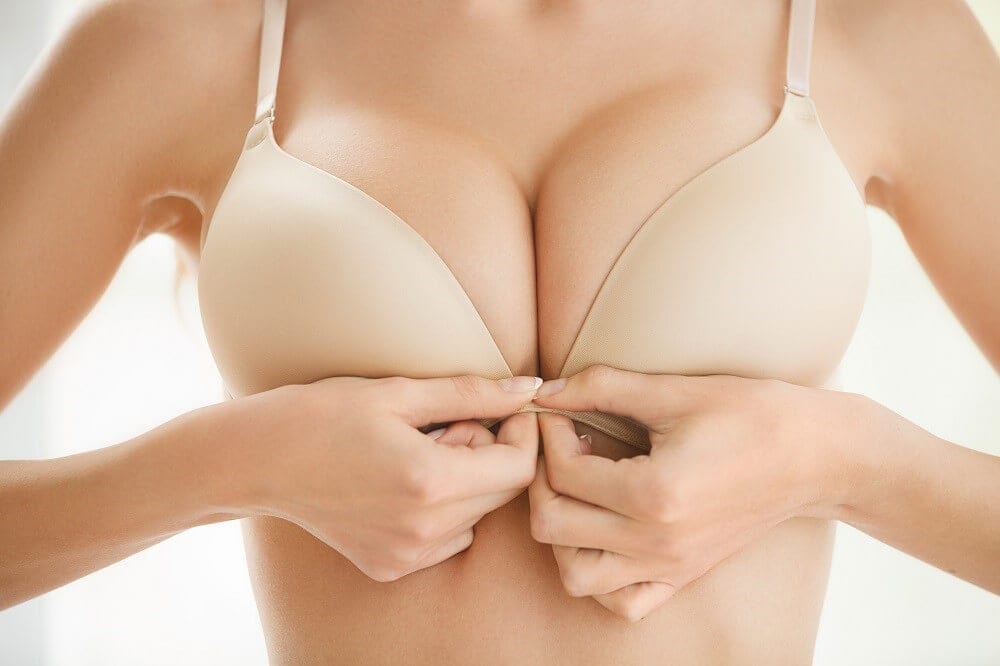
Breast augmentation with silicone implants is one of the most popular cosmetic surgery procedures worldwide. Women who are dissatisfied with their breast size, have experienced volume loss after pregnancy, weight changes, or aging, or have asymmetry concerns can achieve fuller, more balanced, and shapelier breasts with this procedure.
During surgery, silicone breast implants are placed in a specially created pocket behind the natural breast tissue and/or chest muscle. Breast augmentation can:
-
Increase breast size
-
Improve symmetry
-
Restore lost volume
-
Enhance breast contour after partial or total loss
It is important to note that breast augmentation alone does not correct significant sagging. In such cases, a breast lift (mastopexy) may be recommended, either alone or combined with augmentation.
Implant Options
We use globally recognized, FDA-approved silicone implants such as Mentor Worldwide LLC implants, known for their high safety standards and lifetime warranty programs.
Implant Shapes
-
Round implants – Provide fuller upper pole volume
-
Anatomical (teardrop) implants – Create a more natural slope
The choice depends on:
-
Body structure
-
Chest wall anatomy
-
Existing breast tissue
-
Patient expectations
Implant Structure
Silicone implants consist of:
-
A durable silicone outer shell
-
A cohesive silicone gel filling that closely mimics natural breast tissue
Implants are available in various sizes and projections. The final size selection is made based on patient preference and anatomical suitability determined during consultation.
Breast Anatomy Overview
Breasts are composed mainly of:
-
Fatty (adipose) tissue
-
Glandular tissue (milk-producing lobules and ducts)
-
Ligaments that provide support
-
Blood vessels and lymphatic channels
Although breasts contain minimal muscle tissue, they sit above two important chest muscles:
-
Pectoralis major
-
Pectoralis minor
These muscles play a key role in implant positioning decisions.
Implant Positioning Options
Breast implants can be placed in different anatomical planes:
1️⃣ Subglandular (Over the Muscle)
Implant placed behind breast tissue but in front of the chest muscle.
2️⃣ Dual Plane (Partial Submuscular)
Implant partially covered by the pectoralis muscle.
Commonly preferred for a natural appearance.
3️⃣ Complete Submuscular (Under the Muscle)
Implant fully placed beneath muscle and connective tissue.
Your surgeon will recommend the most suitable placement based on your anatomy, lifestyle, and desired outcome.
Surgical Preparation
Breast augmentation surgery typically lasts 1–2 hours and is performed under general anesthesia.
Before surgery:
-
Surgical markings are made
-
Implant size and incision site are confirmed
-
Anesthesia is administered
Incision Options
There are three main incision approaches:
-
Periareolar incision – Around the areola
-
Transaxillary incision – Through the armpit (no breast scar)
-
Inframammary incision – Along the natural fold under the breast
The inframammary incision is most commonly preferred due to optimal visibility and minimal scar visibility.
Procedure
Your surgeon:
-
Creates a carefully planned incision
-
Forms a pocket for the implant
-
Inserts the implant using sterile techniques (sometimes with a touchless device)
-
Checks symmetry and positioning
-
Closes the incisions with sutures and surgical adhesive
In certain cases, a temporary tissue expander may be used prior to final implant placement.
Recovery Process
-
Surgery duration: 1–2 hours
-
Hospital stay: 1 night
-
Medical bra use: Approximately 3 weeks
-
Return to light activities: After 7 days
-
Swelling reduction: Major swelling decreases within days; minor swelling may last weeks
Pain is usually manageable with prescribed medication.
⚠️ It is essential to follow post-operative instructions, including lifting restrictions and activity limitations.
Risks and Considerations
As with any surgical procedure, breast augmentation carries potential risks:
-
Swelling and bruising
-
Infection
-
Capsular contracture
-
Implant rupture
-
Changes in nipple sensation
Patients should also discuss how implants may affect:
-
Breastfeeding
-
Mammography screening
Results
You will notice fuller breasts immediately after surgery. However, final results become visible after:
-
Implants settle into position
-
Swelling fully subsides (several weeks)
Scars gradually fade into thin, slightly lighter lines over time.
Breast augmentation results are long-lasting. While natural aging will continue, implants typically maintain their volume and shape for many years.
Is Breast Augmentation Right for You?
You may be a suitable candidate if you:
-
Are in good general health
-
Have realistic expectations
-
Desire fuller, more symmetrical breasts
-
Experience volume loss after pregnancy or weight changes
A personalized consultation is essential to determine the safest and most effective surgical plan.