

What is the Function of the Spleen?
The spleen is about the size of a fist on average.
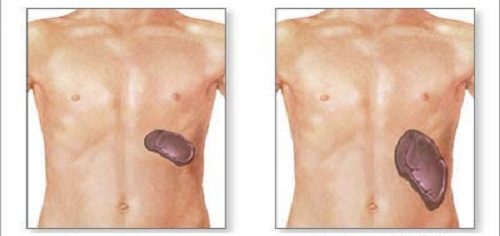
It is located just below the left rib. It is an organ adjacent to the stomach. And it is very important in the immune system because it filters red blood cells and protects the body against infections.
It prevents abnormal blood cells from entering the bloodstream.
What happens if the spleen is not in the body?
A person can continue their life without their spleen. However, their immune power against infections decreases. They can get sick more quickly and rapidly. Some immunity-boosting vaccines may be recommended by the doctor. In addition to vaccinations, immune-boosting drug supplements are also given when a person gets sick.
Can a person live without their spleen?
Your spleen is a very useful organ, but it is not vital, it can live.
What is spleen enlargement?
Its medical name is splenomegaly. It is the name given to the situation where the spleen becomes larger than normal due to many conditions including infection, liver disease and some types of cancer.
What are the symptoms of spleen enlargement?
- Pain in the upper left abdomen,
- Feeling full quickly, losing weight,
- Feeling bloated,
- Fatigue,
- Frequent infectious diseases,
- Anemia,
- Easy bleeding,
- Shortness of breath
What are the treatments for spleen enlargement?
First of all, it is necessary to understand the underlying problem. If it is caused by an infection, the doctor may recommend treatment with medications such as antibiotics to treat the disease causing the infection.
Antibiotic treatment is only used in the treatment of diseases caused by bacterial infections. If it is not due to infectious diseases, antibiotic treatment is not used.
In such cases, a spleen removal operation called splenectomy is performed. Splenectomy can be performed in two different ways, as complete spleen removal (splenectomy) or partial splenectomy, depending on the patient’s condition.
If spleen enlargement is not treated, it can lead to serious complications. An untreated spleen continues to grow, which increases the risk of rupture and bleeding.
Since the spleen is a very bloody organ, rupture or bleeding can pose a life-threatening risk. Splenectomy is performed by selecting the most appropriate method for the patient, such as laparoscopic surgery or robotic surgery.
What should be considered after spleen enlargement surgery?
The patient can be discharged in approximately 5-6 days. It is not recommended for the patient who has undergone surgery to lift heavy objects or perform physical movements that will strain him/her before full recovery.
One of the most important issues to consider after spleen enlargement surgery is immune system-supporting vaccines. The spleen is an organ that is resistant to many bacteria; therefore, it is normal for the person’s immune system to weaken after the spleen is removed. The doctor may recommend that the individual receive at least an annual flu vaccine and tetanus, diphtheria and pertussis booster vaccines every 10 years.
The Spleen: Function & Importance FAQs
What exactly does the spleen do?
Can you live without a spleen?
What are the symptoms of an enlarged spleen?
- Pain or fullness in the upper left abdomen that may spread to the left shoulder.
- Feeling full without eating or after eating only a small amount (as the spleen presses on the stomach).
- Anemia or frequent infections.
- Easy bleeding or bruising.
How does the spleen recycle iron?
What is the difference between Red Pulp and White Pulp?
- Red Pulp: This is where the blood filtration happens and where blood is stored.
- White Pulp: This is the lymphoid tissue where the immune system generates white blood cells to fight off specific infections.