

What Is Insulin Resistance?
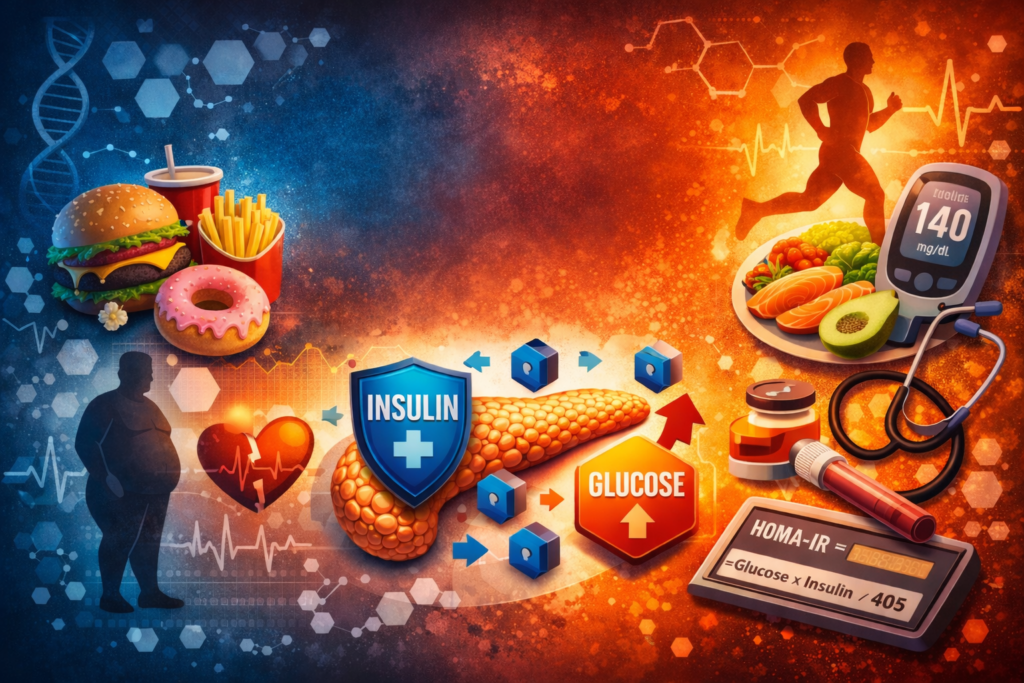
Insulin resistance is a condition in which the body’s cells become less responsive to the hormone insulin. As a result, the pancreas needs to produce more insulin to maintain normal blood glucose levels. Over time, this mechanism becomes insufficient and blood sugar control deteriorates. If left untreated, insulin resistance can lead to type 2 diabetes, obesity, cardiovascular diseases, and polycystic ovary syndrome (PCOS).
Symptoms of Insulin Resistance
Insulin resistance often develops gradually and may remain unnoticed in the early stages. The most common symptoms observed in clinical practice include:
- Increased cravings for sweets and carbohydrates
- Fatigue and drowsiness after meals
- Abdominal fat accumulation
- Difficulty losing weight
- Poor concentration and mental fog
- Darkening of the skin around the neck and underarms
- Menstrual irregularities in women
If several of these symptoms are present, insulin resistance testing is recommended.
Causes of Insulin Resistance
- Unhealthy dietary habits (processed foods, refined carbohydrates)
- Sedentary lifestyle
- Genetic predisposition
- Chronic stress and sleep disorders
How Is Insulin Resistance Diagnosed?
The most commonly used method is the HOMA-IR index, calculated using fasting blood glucose and fasting insulin levels.
Treatment of Insulin Resistance
Treatment should be individualized and typically includes:
- Low glycemic index nutrition
- Regular physical activity (30–45 minutes, 3–5 days/week)
- Medical therapy when necessary
- Lifestyle modifications such as stress management and improved sleep quality
Early diagnosis and proper treatment can successfully control insulin resistance and prevent progression to diabetes.
What Is Insulin Resistance? – Essential FAQ
What is insulin resistance and how does it work?
What are the primary symptoms of insulin resistance?
What are the main causes of insulin resistance?
Can insulin resistance be reversed naturally?
What is the best diet for managing insulin resistance?